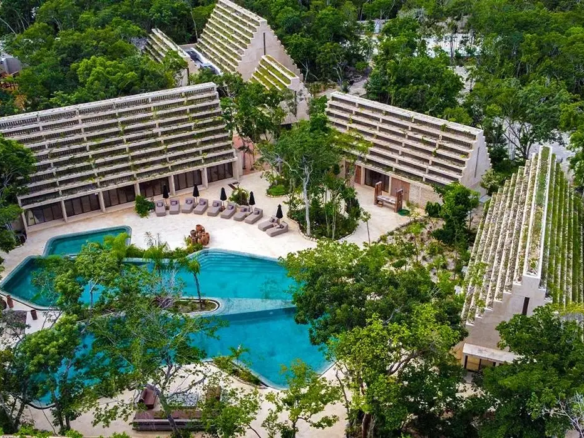
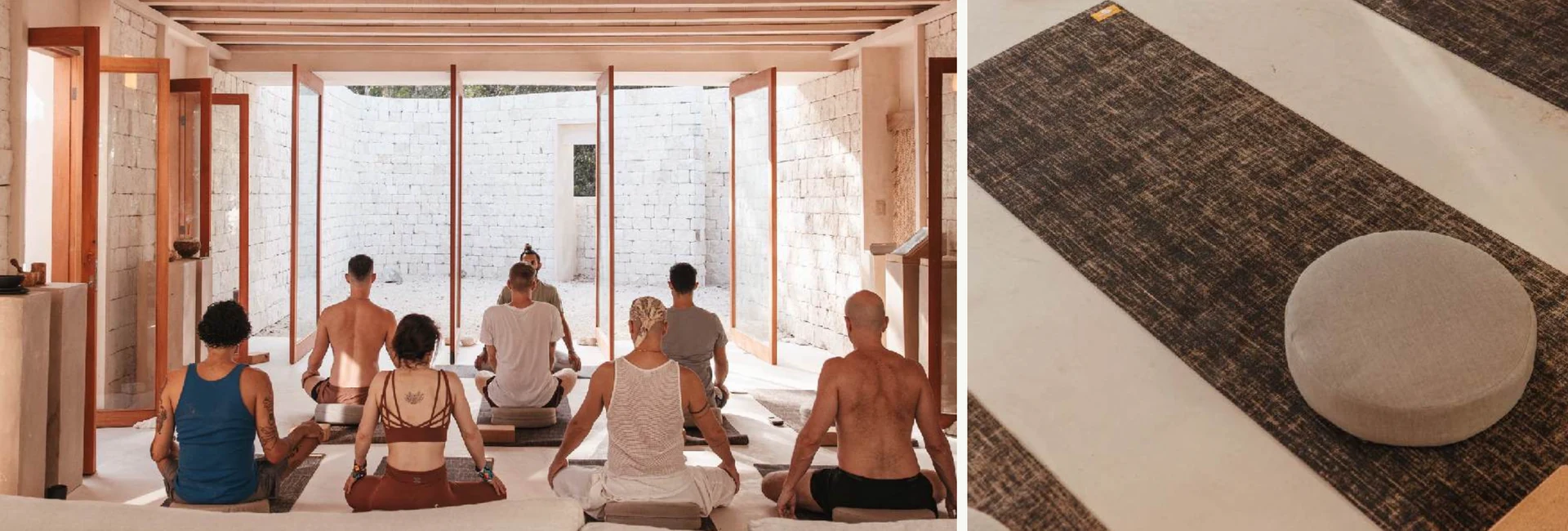
Wellness has moved into the floor plan
By Jana Mihalikova, Heron Real Estate
Wellness real estate is housing designed, built and operated to support the physical, mental and social health of the people who live in it. The Global Wellness Institute valued the category at $876 billion in 2025, up from $151 billion in 2017, and forecasts $1.8 trillion by 2030. Few places test that idea as visibly as Tulum.
For a buyer, the question has shifted. Ten years ago, wellness in Tulum meant a yoga class and a juice bar near the hotel zone. Today it shapes how homes are oriented, how water is treated, which materials line the walls and what a homeowners’ association pays to maintain. Some of those decisions add lasting value. Some are marketing.
This guide explains where the global wellness movement comes from, why Tulum became one of its reference points, and how to tell a home built for wellbeing from a brochure that borrows the word.
In brief
- The global wellness economy reached $6.8 trillion in 2024 and is forecast to reach $9.8 trillion by 2029 (Global Wellness Institute).
- Wellness real estate is its fastest-growing sector. Research reviewed by the Institute puts the price premium for mid- and upper-market wellness homes at 10–25%.
- Latin America and the Caribbean grew fastest of any region between 2019 and 2025, from the smallest base.
- In Tulum, the features that hold value are measurable: orientation and ventilation, water treatment, access to protected nature and maintained amenities.
- After its loudest years, Tulum is returning to a quieter, holistic rhythm that draws wellness-conscious buyers. The risks to check are unproven wellness claims, amenity costs and a tourism cycle that dipped sharply in 2025.
How big is the global wellness economy?
The global wellness economy was worth $6.8 trillion in 2024, according to the Global Wellness Institute’s 2025 Monitor. It grew 7.9% that year and has doubled since 2013. The Institute forecasts $9.8 trillion by 2029, an average of 7.6% a year.
The scale is easier to read against a benchmark. Wellness spending is now close to four times the size of the global pharmaceutical industry, which the same report places at $1.8 trillion.
Two numbers, two definitions
Readers often meet a second figure: McKinsey’s Future of Wellness survey, which estimates a $2 trillion global wellness market. Both are credible. They measure different things.
- The Global Wellness Institute counts eleven sectors, including wellness real estate, wellness tourism, workplace wellness and traditional medicine. Property and travel make up a large share of its total.
- McKinsey measures what consumers spend on wellness products and services: fitness, nutrition, sleep, mindfulness, appearance and health.
For real estate, the Institute’s framing is the useful one, because it treats the home itself as a wellness product.
What is driving demand
Three forces stand out in the research.
- Younger buyers treat wellness as daily practice. In McKinsey’s 2025 survey, Gen Z and millennials made up 36% of the adult population and over 41% of annual wellness spending. McKinsey describes their approach as a daily, personalized routine in place of occasional purchases.
- Longevity has gone mainstream. Up to 60% of consumers across the markets McKinsey surveyed rate healthy aging a top or very important priority. In the US, 42% of Gen Z and millennials call mindfulness a very high priority.
- The home carries more of the load. Remote and hybrid work keep people at home for more hours, and buyers now judge a property on sleep quality, air, light and access to nature as much as on finishes.
The Institute’s data points the same way. Between 2019 and 2024, wellness real estate grew faster than any other wellness sector, at 19.5% a year, followed by mental wellness at 12.4%.
What is wellness real estate, and how fast is it growing?
The Global Wellness Institute defines wellness real estate as built environments designed, built and operated to support the holistic health of occupants, visitors and the surrounding community. The definition covers the building, how it is run and its effect on the neighborhood.
The category is growing at a pace few property segments match. The Institute’s May 2026 release puts it at $876 billion in 2025, up from $711 billion in 2024. It grew 23% in 2025, against about 3% for global construction. The forecast is $1.8 trillion by 2030, or 15% a year.
A note on the figures
The Institute’s June 2025 release estimated 2024 at $548 billion and forecast $1.1 trillion by 2029. Its May 2026 release revised 2024 to $711 billion and extended the forecast to $1.8 trillion by 2030. The two horizons in this article come from different reports: 2029 for the whole wellness economy (November 2025 Monitor), 2030 for wellness real estate (May 2026 release). Real estate figures here use the most recent release.
Do wellness homes sell for more?
They tend to. The Institute reviewed over 300 studies and found that wellness-focused homes in the middle and upper market command a price premium of 10–25%. Commercial buildings with wellness features show a rental advantage of 4.4–7.7% per square foot.
The premium follows evidence. A buyer pays for measurable outcomes such as cleaner air, quieter bedrooms and safe water, and for a location that keeps those outcomes in place over time.
Where the growth is:
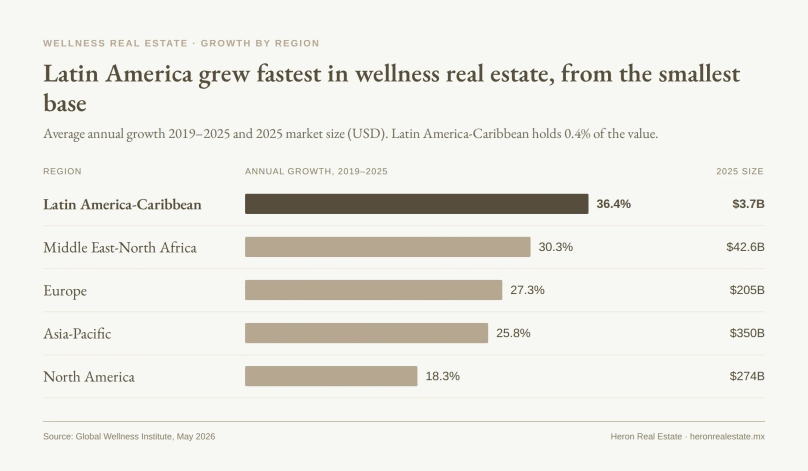
Latin America and the Caribbean grew at 36.4% a year between 2019 and 2025, the fastest of any region. At $3.7 billion, it is also the smallest. For buyers in the Riviera Maya, this gap matters: demand for wellness living is arriving faster than the stock of homes that can prove it.
Why did Tulum become a wellness destination?
Tulum combines four things wellness buyers look for in one place: protected nature, a living healing tradition, a design culture built on local materials and a pace of life that is slowing down again.
Nature that is protected by law
Tulum sits between the Caribbean coast and a limestone jungle threaded with cenotes and underground rivers. In September 2024 the federal government opened Parque del Jaguar, about 7,200 acres (2,912 ha) that join Tulum National Park, a flora and fauna protection area, the Tulum archaeological zone and part of the coastal biosphere reserve. The project cost about $148 million USD (MXN 2.7 billion).
South of the town, where the beach road ends, Sian Ka’an begins. Declared a biosphere reserve in 1986 and a UNESCO World Heritage Site in 1987, it covers about 1.3 million acres (528,000 ha) of tropical forest, mangroves, wetlands, lagoons, cenotes and a marine section crossed by a barrier reef. Its Maya name translates as “origin of the sky.”
For property owners, the park works as a permanent green boundary. It limits development along the coast and keeps the town’s most visited landscapes public.
A healing tradition with local roots
Long before the first yoga shala opened, the Maya of this coast practiced the temazcal: a steam ceremony held inside a low dome of stone or earth, guided by a facilitator and built around heat, medicinal herbs, breath and release. Cenotes were sources of fresh water and sacred sites at once. Herbal remedies and traditional massage are still part of daily life in Maya communities across the peninsula.
The modern retreat economy grew on that foundation from the early 2000s: yoga, breathwork, sound healing, plant-based kitchens and holistic clinics. The difference between Tulum and a resort spa is lineage. Visitors come for practices that already belong to the place, and the setting, jungle, limestone and fresh water, is part of the practice.
Tulum is becoming quiet again
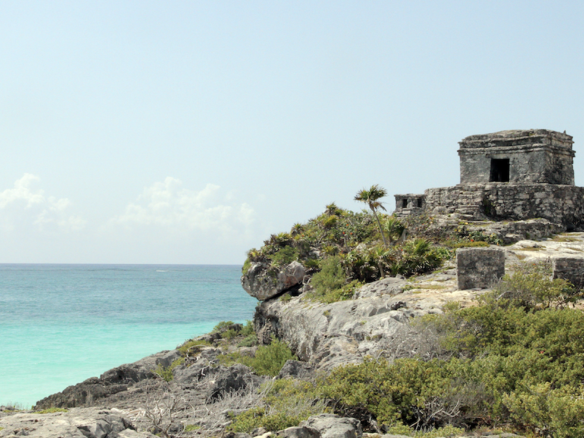
Tulum was a quiet escape long before it became a destination. The walled Maya port of Zamá once stood on its cliffs, and for decades afterwards the town was a fishing village. Then came a stretch of palm-roofed cabanas on the sand, where electricity was scarce and visitors came to swim in cenotes, sleep to the sound of the sea and wake with the sun.
The years of fast growth added beach clubs and a busy nightlife calendar. That chapter is now giving way to something older. Public beach access sits at the center of local planning under Tulum Renace, and Parque del Jaguar and Sian Ka’an keep the coast and the jungle protected. The town is returning to the rhythm that first drew people here.
That rhythm is easy to recognize. An early swim in a cenote before the heat. A temazcal at dusk. Dinner under the trees, and a night quiet enough to hear the jungle. Its retreats, practitioners and slower pace are once again what defines Tulum.
The people choosing Tulum now come for that. They are mindful, wellness-conscious buyers who value how the town lets them live: remote professionals building a slower routine, families who want time outdoors, and longevity-minded owners who judge a home by how well they sleep in it.
For property, this favors homes that fit the rhythm: low-density projects, quiet streets, walking access to nature and architecture that stays cool and open to the jungle. Our neighborhood guides to La Veleta and Region 15 show where that kind of living is taking shape.
Architecture that works with the climate
Tulum’s best buildings use chukum (a lime-based Maya plaster), local stone, tropical hardwoods, deep overhangs and open plans that let the breeze do the cooling. Designed well, these choices lower indoor temperatures, reduce reliance on air conditioning and keep occupants connected to the landscape. They are wellness features, whether or not a brochure calls them that.
What does a wellness home in Tulum look like?
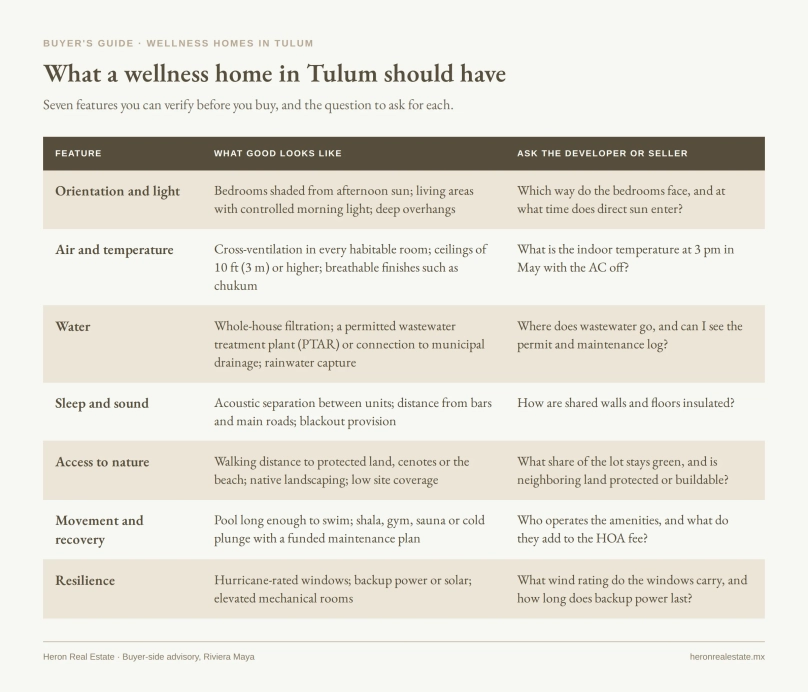
A wellness home in Tulum is defined by decisions made at the site plan and specification stage, long before the amenity list. Orientation, air, water, light, sound and access to nature do most of the work. A cold plunge adds pleasure; a home that sleeps cool without running the AC all night adds value.
Picture an ordinary day in a well-designed home. Morning light reaches the kitchen and stays out of the bedrooms. By midday the breeze moves through shaded rooms at a temperature the body accepts without effort. The water from the tap has been filtered twice. In the evening, a ten-minute walk ends at a cenote or the park, and the night is quiet enough to hear the jungle.
The table below turns that day into features you can verify.
Where luxury and wellness meet
At the top of the market, wellness is where Tulum’s luxury homes now compete. The strongest projects pair architectural authorship with health outcomes: a named architect, specified materials, and layouts built around light and airflow. These are the properties Heron selects for its Adoro by Heron designation. For an example of architecture-led design in Tulum, read our feature on Villas Candela by Macías Peredo, or browse current properties for sale in Tulum.
What are the risks of buying a wellness property in Tulum?
Buying in Tulum carries five risks, each specific and checkable before you sign: wellness claims without evidence, rental projections built on peak occupancy, amenity costs, permits near protected land and the track record of the developer behind the project. None of them rules out a purchase. Each one shapes what a property is worth, and what you should pay for it.
1. The label outruns the evidence
Anyone can call a project a wellness development. The Global Wellness Institute’s regional figures suggest how thin the proven stock is: Latin America and the Caribbean account for $3.7 billion of an $876 billion global market. Third-party building standards such as WELL and Fitwel exist; ask whether a project holds one, or has tested to one. Ask for specifications and test results in place of adjectives.
2. Tourism cycles and rental projections
Many wellness homes are sold on their rental income, and in Tulum that income follows the tourism cycle. Occupancy moves with the seasons, flight schedules, events and the wider travel market. Authorities are investing in the town’s next chapter through the Tulum Renace plan, with a focus on public beach access, infrastructure and urban management.
For a buyer, the answer is careful selection. Homes with a clear reason to be booked year-round, such as a walkable location, a quiet street, access to nature and real wellness features, keep their appeal when demand softens. Ask for the property’s rental history where it exists, and test any forecast at more modest occupancy before you rely on it. Our analysis of the 2026 Tulum market covers what this means for pricing.
3. Amenities cost money every month
Spas, saunas, pools and staffed shalas raise homeowners’ association fees. An amenity with no funded maintenance plan loses value fast in a humid, salt-air climate. Ask for the current HOA budget and reserve fund.
4. Permits near protected land
Properties close to Parque del Jaguar or other protected areas depend on environmental impact authorization (MIA) and zoning that match what was built. Confirm both before you sign. This is where independent legal review earns its fee; our guide to foreign ownership and developer risk in Mexico explains what to check.
5. The developer behind the project
In a pre-sale, you are buying the developer’s ability to deliver as much as the home itself. Developer due diligence answers five questions before any money moves:
- Delivery record. Which projects has the developer completed in the corridor, on time and to specification? Visit one and speak to the owners who live there.
- Land and title. Is the title clear, free of liens and in the name of the selling entity or its trust? Land of ejido origin needs full private-title conversion (dominio pleno) before it can be sold safely.
- Permits. Do the land-use approval, construction license and environmental authorization (MIA) cover the number of units and floors being sold?
- Payments. Do deposits go into a bank trust tied to the project, with delivery dates and penalties written into the contract?
- The company. Which legal entity signs the contract, how long has it existed, and is it involved in any litigation?
Our guides to pre-sale versus resale and foreign ownership and developer risk cover each check in detail.
How to evaluate a wellness property in Tulum: a buyer’s checklist
The fastest way to separate a wellness home from wellness marketing is to ask for documents. A developer who built for health can show the evidence; one who borrowed the word will talk about the lifestyle.
- Visit at the hardest hour. See the home at 3 pm in the hot season, with the AC off, and again after dark. Temperature, noise and light tell you more than renders.
- Follow the water. Request the wastewater solution. Ask what filtration serves the taps and showers.
- Read the specification. Named materials (chukum, local limestone, a specific hardwood) signal a considered build. Categories such as “premium finishes” are a claim to be verified.
- Check the neighbors, present and future. Confirm zoning on adjacent lots and the distance to protected land. A jungle view is only as secure as the land that frames it.
- Price the amenities. Get the HOA budget, the reserve fund and review the operator contract.
- Stress-test the rental case. Rerun the developer’s projection at 50% occupancy. If the numbers only work at peak, the plan is fragile.
- Verify the builder. Ask for delivered projects in the corridor, visit one, and speak to owners who live there. Our guide to pre-sale versus resale covers how to weigh delivery risk.
- Separate advice from sales. A developer’s sales team represents the developer. An independent, buyer-side advisor represents you, and can tell you which property to walk away from.
Frequently asked questions:
Do wellness homes sell for more?
Yes, when the wellness features can be measured. The Global Wellness Institute reviewed over 300 studies and found that wellness-focused homes in the middle and upper market sell for a premium of 10–25%. Buyers pay for evidence: cleaner air, quiet bedrooms, safe water and lasting access to nature. A wellness label alone doesn’t earn the premium.
Do wellness homes rent for more?
The evidence for rentals is thinner than for sales. The Global Wellness Institute’s research shows a rental premium of 4.4–7.7% per square foot for commercial buildings with wellness features. No comparable figure has been published for vacation rentals in Tulum. Demand is growing, though: wellness tourism reached $893.9 billion worldwide in 2024. A home that offers what those travelers look for, such as quiet, nature, good sleep and space to practice, has a clear reason to be booked. Ask for the property’s rental history, and choose a location that keeps those qualities year-round.
Why is Tulum popular with wellness buyers?
Tulum sits between two protected landscapes, Parque del Jaguar on its coast and the Sian Ka’an Biosphere Reserve to the south. Behind it lies a jungle of cenotes and underground rivers. The town has a living Maya healing tradition, rooted in the temazcal and the cenotes, and an architecture culture built on local materials. It is also returning to the quiet, holistic rhythm that first drew people here, which attracts mindful, wellness-conscious buyers.
References
- Global Wellness Institute (May 12, 2026). Wellness Real Estate Market Reaches $876 Billion, Forecast to Hit $1.8 Trillion by 2030. Market size, regional growth and the definition of wellness real estate.
- Global Wellness Institute (November 25, 2025). Wellness Market Hits Record $6.8 Trillion, Will Reach Nearly $10 Trillion by 2029. Size and growth of the global wellness economy.
- Global Wellness Institute (2025). Global Wellness Economy Monitor 2025. Sector data, including wellness tourism and Latin America-Caribbean totals.
- Global Wellness Institute (2025). Wellness Real Estate Market Reached $584 Billion in 2024 and Is Forecast to Double to $1.1 Trillion by 2029. Price premium research (10–25%) and earlier market estimates.
- McKinsey & Company (2025). Future of Wellness: The $2 trillion global wellness market gets a millennial and Gen Z glow-up. Consumer survey on wellness spending and priorities.
- National Parks Traveler (December 2025). In Tulum, An Ambitious Mexican Park Takes Shape. Size, cost and scope of Parque del Jaguar.
- UNESCO World Heritage Centre. Sian Ka’an. Inscription year, area and ecosystems of the biosphere reserve.
- Mexico News Daily (November 2025). Mexico launches “Tulum Reborn” strategy to tackle slump in tourism. Hotel occupancy and the recovery plan.
Jana Mihalikova is the founder and managing director of Heron Real Estate, a buyer-side advisory in the Riviera Maya. Heron advises clients on property in Tulum, Playa del Carmen, Puerto Morelos, Akumal, Cancún and the wider corridor.
Last updated: October 2026.